Why Contractors Charge for Estimates
how-to · October 7, 2026 · Editorial Team
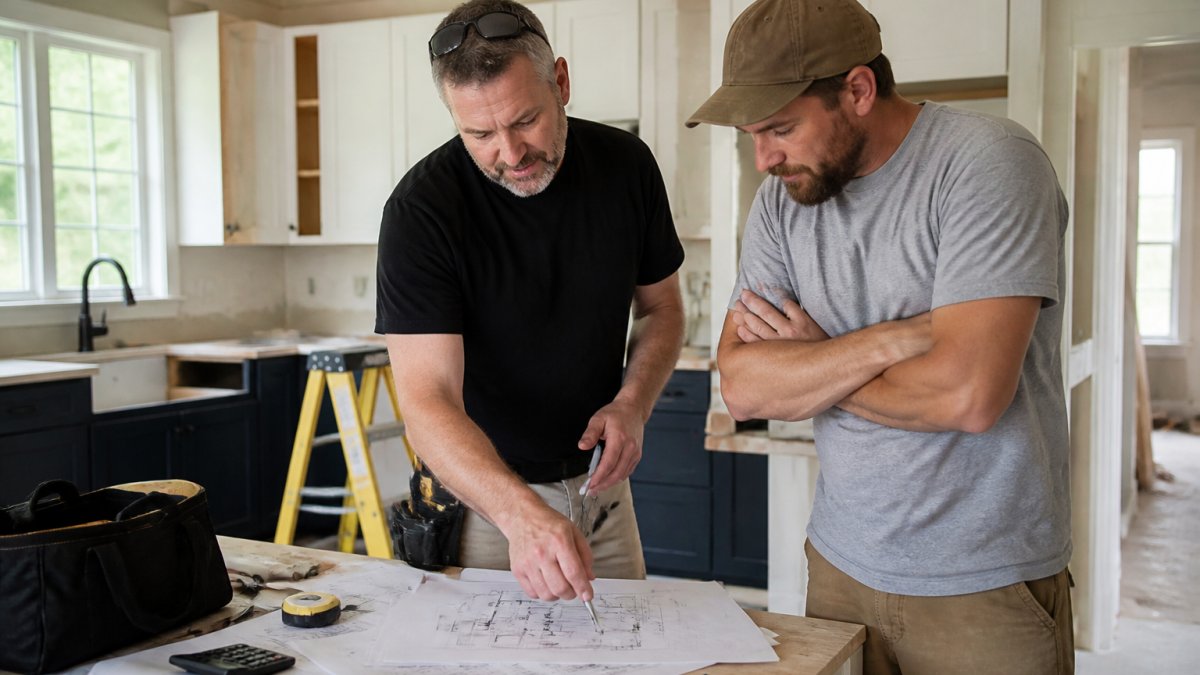
Table of Contents
- Why Contractors Charge for Estimates
- The Real Cost of Preparing a Detailed Estimate
- Travel, Site Visits, and Inspection Time
- What a Contractor Estimate Fee Usually Covers
- Contractor Quote vs Estimate: Understanding the Difference
- Free Estimates vs Paid Estimates: When Each Makes Sense
- Questions to Ask a Contractor Before Hiring and Paying for an Estimate
- How to Compare Estimates on an Apples-to-Apples Basis
- Frequently Asked Questions
Last Updated: October 7, 2026
Why Contractors Charge for Estimates
When you call a contractor, one of your first questions is about cost. But preparing a detailed estimate takes real time, expertise, and resources. The truth is, why contractors charge for estimates comes down to the work involved in creating an accurate proposal.
A contractor estimate isn't a guess. It's a detailed analysis of your project's scope, materials, labor, and timeline, requiring a professional to visit your home, take measurements, assess conditions, and calculate costs.
The Real Cost of Preparing a Detailed Estimate
Creating a thorough estimate demands significant time and expertise, not a 15-minute phone call, but an in-person visit, careful analysis, and detailed calculations.
The process starts with understanding your vision: a contractor asks about your goals, materials, timeline, and budget, then inspects the space, measuring dimensions, checking structural integrity, identifying complications, and assessing existing conditions.
After the site visit, the contractor compiles measurements into a detailed scope of work, prices materials at current market rates, calculates labor based on complexity and team experience, and factors in overhead, insurance, and profit margin.
Travel, Site Visits, and Inspection Time
Getting to your home costs money. Travel time is time the contractor isn't working on another project, and fuel, vehicle wear, and insurance add up quickly for contractors serving a wide area.
A site visit isn't a quick walkthrough.
The contractor also consults with you about preferences, asks clarifying questions, takes notes, and photographs the space. All this takes 45 minutes to two hours depending on project size and complexity.
What a Contractor Estimate Fee Usually Covers
When a contractor charges for an estimate, that fee covers specific deliverables, a professional analysis that protects both you and the contractor, and looks materially different from a free ballpark given over the phone.
What the Deliverable Should Actually Be
A legitimate paid estimate is a written document, not a verbal range. At minimum, it should include:
- A written scope of work describing what will and won't be done, room by room or task by task
- Measurements and quantities (square footage of flooring, linear feet of countertop, number of fixtures)
- A line-item cost breakdown separating materials, labor, permits, and any allowances
If a contractor charges a fee but hands you a single number with no supporting detail, that's a red flag. A paid estimate should be a document you can hand to a lender, an insurance adjuster, or a second contractor for comparison.
Measurements, Materials Assessment, and Code Review
The estimate includes precise measurements that determine material quantities and installation time, which the contractor uses to calculate accurate material costs.
Code review is part of the estimate too.
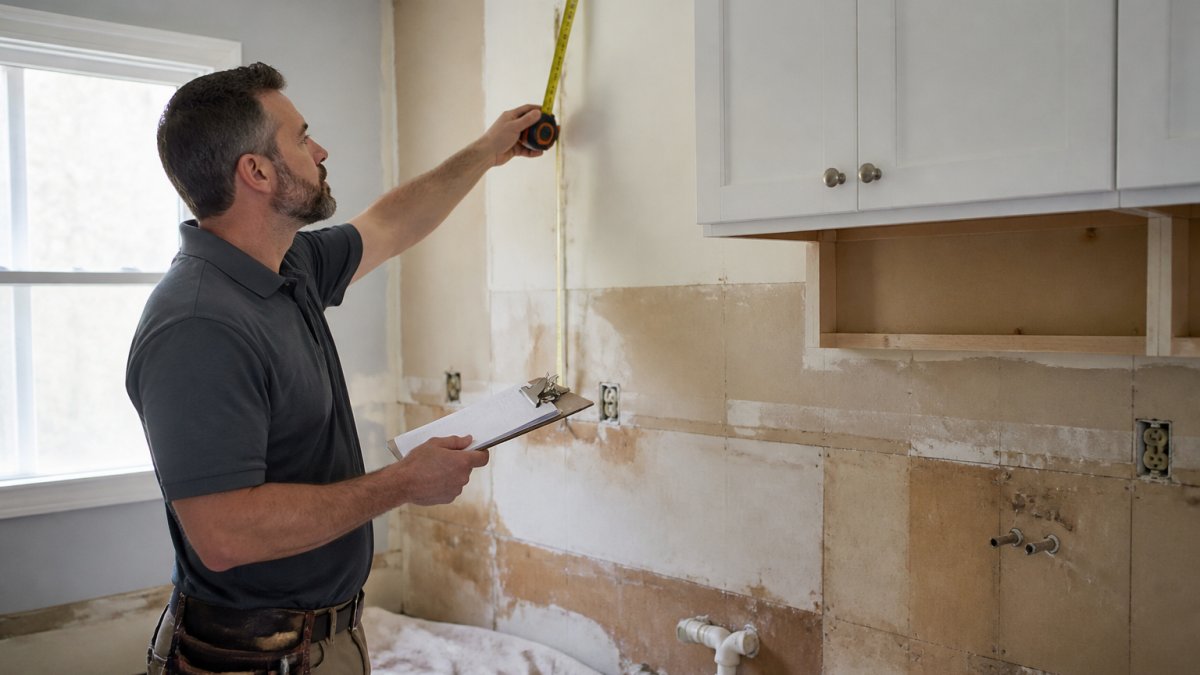 Professional contractor taking precise measurements with tape measure and recording notes on clipboard while examining kitchen wall during home renovation assessment, with natural daylight from windows
Detailed Scope of Work and Cost Breakdown
A quality estimate includes a detailed scope of work spelling out what the contractor will and won't do, listing materials by brand and grade, breaking down labor by task, and identifying potential challenges and how they'll be handled.
The cost breakdown shows where your money goes, materials, labor, permits, and inspections, helping you compare estimates fairly and spot whether one contractor is charging more for labor versus materials or accounting for complications you missed.
What a Fee Typically Costs, and How It's Applied
Estimate fees vary widely by project type, complexity, and market. Rather than quote a single national figure, understand the pattern most contractors follow:
- Small, single-trade jobs (a water heater swap, a single-room paint job): often free, or a nominal fee in the low tens of dollars that's credited back.
- Mid-size remodels (a bathroom, a small kitchen): a fee is more common, and it's frequently credited in full toward the project if you hire the contractor.
- Large or design-heavy projects (whole-home renovation, structural work, additions): a fee is standard, and it may cover a site visit, measurements, and sometimes preliminary drawings or a feasibility review.
A common pattern is that the fee is credited toward the final contract price if you proceed, less a purchase than a deposit on the contractor's time. Ask explicitly whether the credit is full or partial, and whether it expires.
How the Fee Is Calculated
Contractors generally arrive at an estimate fee one of three ways:
- Flat fee, a set amount regardless of project size (common for standardized work).
- Hourly, billed at the contractor's or designer's hourly rate for time spent measuring, pricing, and drafting.
- Percentage of project value, a small percentage of the anticipated contract price, more common on large or design-intensive jobs.
None of these is inherently fair or unfair; what matters is that the method is disclosed before you agree. A written fee agreement should state the amount, the method, what triggers the fee, and whether it's refundable.
Contractor Quote vs Estimate: Understanding the Difference
These terms get used interchangeably, but they mean different things, and the distinction tells you what you're paying for.
An estimate is a professional prediction of what a project will cost, based on the contractor's analysis of your specific situation.
A quote is a fixed price for a specific job, a commitment.
The key difference: an estimate is an educated guess based on analysis; a quote is a price commitment.
Free Estimates vs Paid Estimates: When Each Makes Sense
Why Contractors Offer Free Estimates
Some contractors offer free estimates to attract business, viewing the estimate as a sales tool and absorbing the cost as a marketing expense.
Free estimates also make sense for high-volume contractors confident they'll win work, focusing on jobs likely to convert.
Many contractors offer a free initial consultation or walkthrough to determine if the project is a good fit, then charge a fee for the detailed estimate if you want to move forward.
When a Paid Contractor Estimate Fee Is Justified
Larger projects warrant paid estimates. A kitchen remodel, whole-house renovation, or complex structural work requires extensive analysis, often 6-10 hours preparing a detailed estimate. Charging a fee is reasonable.
Paid estimates also make sense when you're comparing multiple contractors: if you're getting five estimates for a major project, a fee covers their time and filters out homeowners who aren't serious.
Paid estimates often get credited toward the final bill if you hire that contractor, removing the sting of paying upfront and showing the contractor's confidence in their pricing.
Remote, Virtual, and Preliminary Estimates
Not every estimate requires a truck roll. Many contractors now offer a preliminary estimate by phone, email, or video call using photos and rough dimensions you provide. This is usually free and is best understood as a ballpark range, not a commitment.
A remote estimate works reasonably well for:
- Standardized work with predictable scope (interior painting, gutter replacement, water heater swaps)
- Early budget screening before you commit to a design
- Projects where you already have measurements or plans
An in-person assessment is generally necessary when:
- The work involves concealed conditions (behind walls, under floors, in attics or crawlspaces)
- Structural, electrical, plumbing, or HVAC changes are involved
- The contractor must verify measurements that drive a fixed price
Treat a free remote ballpark as a screening tool. Treat a paid, in-person estimate as the document you use to make a hiring decision.
Consumer Protections and Written Fee Terms
A few practical protections apply whenever you pay for an estimate:
- Get the fee terms in writing. The agreement should state the fee amount, what you receive, whether it's credited toward the project, and whether it's refundable if you don't hire the contractor.
- Distinguish an estimate from a binding quote. An estimate is a good-faith prediction; a quote is a fixed price. If you need price certainty, ask for a quote in writing, not an estimate.
- Watch for overrun language. Some states and many contracts address how cost overruns above the estimate are handled. Read that clause before signing.
A Quick Decision Framework
Use these questions to decide whether a paid estimate is worth it:
- How complex is the work? Simple, standardized jobs rarely justify a fee. Complex or design-heavy jobs often do.
- How many contractors are you comparing? If you're gathering several estimates for a major project, expect some to charge.
- Is the fee credited? A fee that's fully credited toward the project is far easier to justify than one that isn't.
- What do you receive? A written, itemized document justifies a fee. A verbal range does not.
- Is the contractor licensed and insured? Verify before paying anything.
If the answers point toward a paid estimate, get the terms in writing and keep the deliverable. If they point toward a free preliminary estimate, use it to screen contractors, then request a detailed written estimate from the one or two you're seriously considering.
Questions to Ask a Contractor Before Hiring and Paying for an Estimate
Before you agree to pay for an estimate, clarify what you're getting and what it costs. Ask:
- What does the estimate fee include? Will you receive a detailed scope of work, cost breakdown, timeline, and materials list?
- How much is the estimate fee, and what's the payment method? Do you pay upfront, or after the estimate is delivered?
- Will the fee be credited toward the final bill if I hire you? This is standard practice for many contractors.
These questions help you understand expectations and avoid surprises. A professional contractor answers clearly and confidently.
How to Compare Estimates on an Apples-to-Apples Basis
Getting multiple estimates is smart, but comparing them fairly requires attention to detail.
Start by checking scope.
Look at materials. Is one contractor using premium tile while another uses basic?
Check the timeline.
Review the warranty. A longer warranty has value and might justify a higher price.
Ask about change orders.
Compare the total package, not just the price. The cheapest estimate isn't always the best value.
Getting accurate estimates helps you make informed decisions about your home projects. If you're planning a renovation or repair in Southside Virginia, call us at 434-944-4649 for a detailed estimate that protects both of us and sets your project up for success.
Frequently Asked Questions
Do contractors charge to give an estimate?
It depends on the project scope and contractor. Simple projects like painting a single room often qualify for free estimates, while complex renovations such as kitchen remodels or structural work frequently carry an estimate fee. Contractors charge when the estimate requires significant time, travel, or expertise to prepare accurately. Ask contractors upfront whether they charge before scheduling a site visit.
What should I ask a contractor before paying for an estimate?
Ask whether the estimate fee is refundable if you hire them, what the fee covers, how detailed the final estimate will be, and when you'll receive it. Clarify whether they charge for travel or site visits separately. Request references from past clients and confirm their licensing and insurance. Understanding these details helps you decide if the paid estimate is worth the investment.
What is the difference between a contractor estimate and a quote?
An estimate is an educated approximation of project cost based on the contractor's experience and site assessment; it can change if conditions differ from what was observed. A quote is a fixed price commitment for specific work. Estimates are more common for complex projects where variables exist, while quotes are used for straightforward, well-defined jobs. Always clarify which one you're receiving.
Can an estimate fee be applied to the project if I hire the contractor?
Many contractors offer to credit the estimate fee toward your project cost if you hire them. This is a common practice that offsets the homeowner's initial investment. However, not all contractors do this, so ask explicitly before paying. Getting this agreement in writing protects both you and the contractor and shows their confidence in their pricing.
Frequently asked questions
Do contractors charge to give an estimate?
It depends on the project scope and contractor. Simple projects like painting a single room often qualify for free estimates, while complex renovations such as kitchen remodels or structural work frequently carry an estimate fee. Contractors charge when the estimate requires significant time, travel, or expertise to prepare accurately. Ask contractors upfront whether they charge before scheduling a site visit.
What should I ask a contractor before paying for an estimate?
Ask whether the estimate fee is refundable if you hire them, what the fee covers, how detailed the final estimate will be, and when you'll receive it. Clarify whether they charge for travel or site visits separately. Request references from past clients and confirm their licensing and insurance. Understanding these details helps you decide if the paid estimate is worth the investment.
What is the difference between a contractor estimate and a quote?
An estimate is an educated approximation of project cost based on the contractor's experience and site assessment; it can change if conditions differ from what was observed. A quote is a fixed price commitment for specific work. Estimates are more common for complex projects where variables exist, while quotes are used for straightforward, well-defined jobs. Always clarify which one you're receiving.
Can an estimate fee be applied to the project if I hire the contractor?
Many contractors offer to credit the estimate fee toward your project cost if you hire them. This is a common practice that offsets the homeowner's initial investment. However, not all contractors do this, so ask explicitly before paying. Getting this agreement in writing protects both you and the contractor and shows their confidence in their pricing.