Licensed Home Renovation Services in Pittsylvania
ultimate-guide · September 21, 2026 · Editorial Team
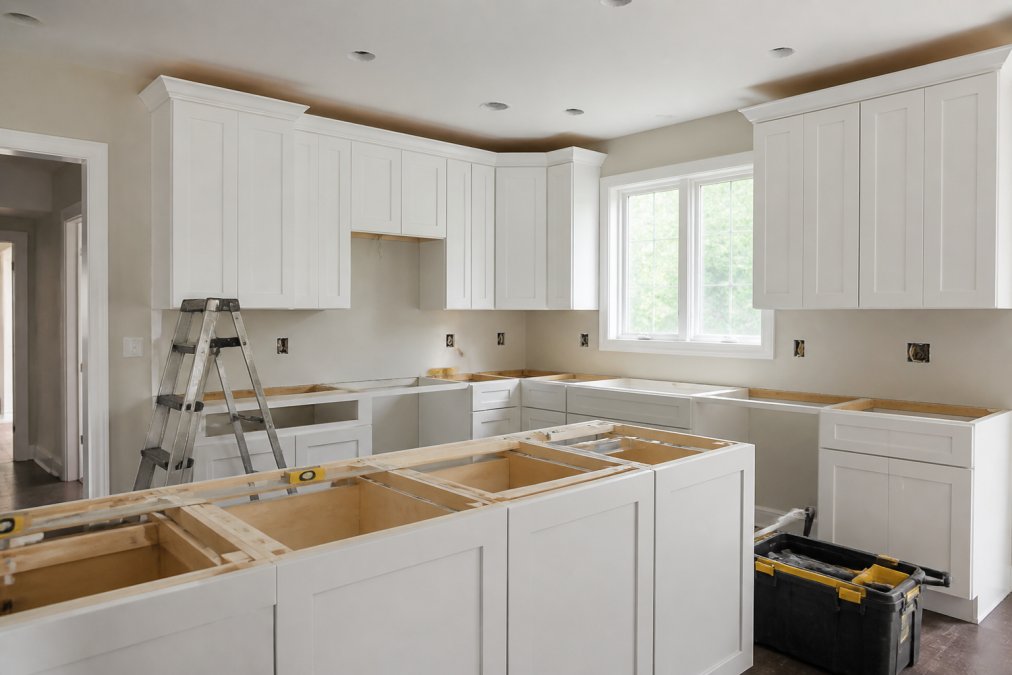
Table of Contents
- Licensed Home Renovation Services in Pittsylvania: What Homeowners Need to Know
- How to Plan a Kitchen Renovation Budget Without Surprises
- Using the Virginia DPOR Contractor License Lookup Before You Hire
- Questions to Ask a General Contractor Before Hiring
- Permits and Building Codes for Pittsylvania County Renovations
- Choosing Licensed Home Renovation Services for Kitchens, Baths, and Repairs
- Conclusion
- Frequently Asked Questions
Last Updated: September 23, 2026
Licensed Home Renovation Services in Pittsylvania: What Homeowners Need to Know
Hiring licensed home renovation services in Pittsylvania starts with one non-negotiable step: verifying the contractor's state license before anyone swings a hammer. A license number is public record, and checking it takes about five minutes. This guide covers what that check involves, how to build a renovation budget that holds, and which permits your project needs.
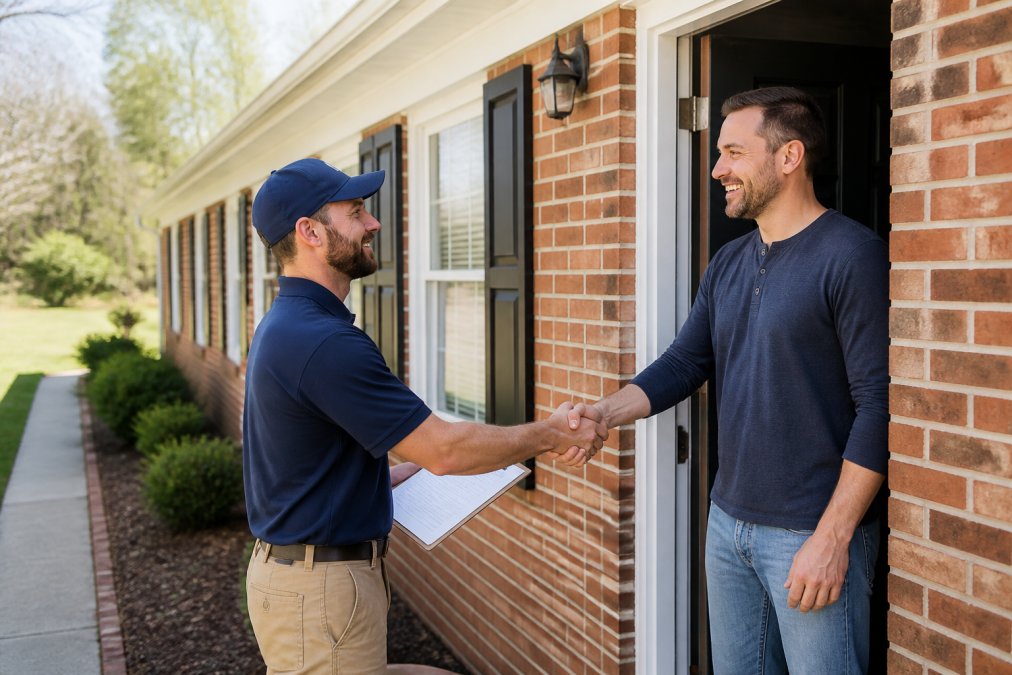 Contractor shaking hands with a homeowner during a consultation for renovation services at a brick house.
How to Plan a Kitchen Renovation Budget Without Surprises
A kitchen renovation budget should include a contingency line of 15 to 20 percent of total project cost, plus the soft costs most homeowners never list. Cabinets and countertops get the attention, but smaller, less visible line items blow budgets.
What Kitchen Renovations Actually Cost in This Region
No two kitchens price the same, but understanding typical ranges can help with planning. Treat them as planning bands, not bids.
| Scope | Typical Range | What Drives the Number |
|---|---|---|
| Cosmetic refresh (paint, hardware, fixtures, backsplash) | Low four figures | Square footage, tile selection, whether cabinets are refaced or repainted |
| Mid-range remodel (new cabinets, counters, flooring, some layout change) | Mid five figures | Cabinet line, counter material, whether plumbing or electrical moves |
| Full gut remodel (layout change, new everything, structural work) | High five figures and up | Structural changes, trade coordination, permit and inspection scope |
Line Items Most Homeowners Forget
- Permit fees and inspection costs. These vary by locality and project scope, so confirm current amounts with the local building department before you finalize numbers.
- Temporary kitchen setup. Eating out for weeks adds up fast; a family of four can spend more on restaurants than they budgeted for the appliance package.
- Appliance delivery, haul-away, and hookup. Often billed separately, and gas or 240-volt connections may require a licensed trade.
- Drywall repair and paint after rough-in work. Moving plumbing and electrical means patching walls, which rarely match without a full repaint.
- Flooring transitions. New flooring rarely meets old flooring cleanly at doorways, and a transition strip is not always the right fix.
- Dumpster rental and debris disposal. Renovation debris is heavy and bulky, and disposal fees scale with weight and haul count.
- Change orders. Every mid-project design change carries labor and material implications, plus schedule ripple effects on the trades behind it.
- Temporary storage and relocation. If the kitchen is unusable, moving a refrigerator and microwave to another room means outlet and circuit work.
How to Keep the Budget From Drifting
The biggest mistake is budgeting to the dollar. If your plan spends every available dollar before work starts, the first surprise becomes a crisis. Contingency is not padding; it keeps the project moving.
Using the Virginia DPOR Contractor License Lookup Before You Hire
The Virginia DPOR contractor license lookup is a free public search that confirms whether a contractor holds a valid license, what classification it carries, and whether the state has taken disciplinary action against it. Run it before you sign anything.
Questions to Ask a General Contractor Before Hiring
The questions that separate a reliable general contractor from a risky one are about accountability, not capability. Anyone can talk craftsmanship. Ask about scheduling, payment structure, and what happens when something goes wrong.
The Vetting Checklist: Insurance, References, and Written Estimates
- License number and classification. Confirm it through the state lookup.
- Certificate of insurance. General liability and workers' compensation, verified with the carrier.
- Three references from the past 12 months. Ask specifically whether the project finished on schedule and on budget.
- A written, itemized estimate. Line items for labor and materials, not a single lump sum.
- A payment schedule tied to milestones. Never pay the full amount upfront.
- A written warranty or workmanship guarantee. Get the terms in the contract.
- A named point of contact for questions and change requests.
One reference check beats ten glowing reviews. Ask each reference what went wrong, because something always does. How the contractor handled it tells you more than any five-star rating.
Permits and Building Codes for Pittsylvania County Renovations
Most renovations that change a structure's footprint, electrical system, plumbing, or load-bearing elements require a building permit. Cosmetic work like painting or replacing a faucet generally does not. When in doubt, call the local building department.
Step-by-Step Permit Application Guide
- Confirm which permits your scope requires. Structural changes, additions, decks, roof replacements, electrical service upgrades, plumbing rough-in, gas line work, and HVAC replacements each trigger a permit. Painting, trim, cabinet swaps, and like-for-like fixture replacement typically do not. Projects touching more than one trade need more than one permit or a combined building permit with trade sub-permits.
- Assemble your submission packet. Most jurisdictions in the region ask for a completed building permit application, two sets of construction drawings or a scope narrative for smaller jobs, a site plan showing setbacks and easements, and proof of contractor licensure and insurance. For decks, additions, and structural work, expect to submit engineered drawings stamped by a design professional.
- Submit to the Pittsylvania County Building Inspections office. Applications are accepted in person at the county administration building in Chatham and, for many permit types, online through the county's permitting portal. Straightforward residential permits commonly turn around in business days; multi-department plan reviews take longer.
- Pay fees and post the permit. Permit fees scale with project valuation and the number of trade sub-permits. The approved permit card must be posted on site, visible from the street, for the duration of the work.
- Schedule inspections in the correct order. The typical residential sequence is footing, foundation, framing, rough-in (electrical, plumbing, mechanical), insulation, and final. Each must pass before the next phase is covered up. A failed inspection means correction and re-inspection, where schedules slip.
- Request the final inspection and certificate of occupancy or completion. Do not release final payment until the final inspection has passed and the certificate is in hand. This document is what protects you at resale.
What Actually Triggers a Permit Here
- Adding or removing a load-bearing wall
- Any new electrical circuit, panel change, or service upgrade
- Moving, adding, or replacing plumbing supply or drain lines
- Roof replacement (structural or full tear-off)
- Decks, porches, carports, and detached structures above a size threshold
- Converting a garage, attic, or basement to living space
- Installing or replacing a wood stove, gas appliance, or HVAC system
- Sheds and accessory structures above the county's square-footage trigger
Why the Permit Protects You
The International Code Council publishes the model codes that most localities, including those in Southside Virginia, adopt and amend locally. Your jurisdiction's adopted version is what actually governs your project, and the county building office can tell you which edition is currently in force.
Choosing Licensed Home Renovation Services for Kitchens, Baths, and Repairs
Choosing renovation services comes down to matching scope to capability. A bathroom refresh and a structural repair are different jobs, and not every contractor handles both well.
Emergency Water, Fire, and Mold Restoration
Water damage compounds by the hour. Mold can begin colonizing wet materials within a day or two, which is why emergency response time matters more than almost anything else in restoration work.
| Situation | First Priority | What to Ask the Contractor |
|---|---|---|
| Active water intrusion | Stop the source, document damage | How fast can you be on site? |
| Fire and smoke damage | Board up, assess structural integrity | Do you handle insurance documentation? |
| Mold growth | Contain the spread, find the moisture source | Do you test before and after remediation? |
| Storm or roof damage | Temporary weatherproofing | Do you pull the permit for repairs? |
Conclusion
Renovating a home in Southside Virginia comes down to verification: license, insurance, permits, and references, checked before the first payment. That afternoon of work prevents problems that cost homeowners months.
Frequently Asked Questions
How do I verify if a contractor is licensed in Virginia?
Go to the Virginia Department of Professional and Occupational Regulation (DPOR) website and use the license lookup tool. Search by the company name or individual name, then confirm the license type, expiration date, and status. A Class A contractor can handle projects of any value, while Class B and C licenses have dollar limits. Ask the contractor for their license number before you search, and confirm the name on the license matches the name on your contract. If the license is expired or shows no record, walk away.
Do I need a building permit for home renovations in Pittsylvania County?
Most structural, electrical, plumbing, and mechanical work requires a permit from the Pittsylvania County building department. Cosmetic updates like painting or replacing cabinet doors usually do not. Kitchen and bathroom remodels that move walls, add fixtures, or change wiring almost always need one. Your licensed contractor should pull the permit and schedule inspections. Skipping permits can lead to fines, failed inspections when you sell, and insurance problems if damage occurs later.
What should I ask a general contractor before hiring for a renovation?
Ask for their Virginia DPOR license number, proof of general liability insurance, and workers' compensation coverage. Request three local references from projects similar to yours and actually call them. Get a written estimate that lists materials, labor, and a payment schedule tied to milestones, not a lump sum upfront. Ask who handles permits, how change orders are priced, and what warranty covers the work after completion. A contractor who hesitates on any of these questions is a risk.
Why does pricing vary so much between licensed home renovation services in Pittsylvania?
Quotes differ based on license level, insurance coverage, material quality, and crew experience. A lower bid often excludes items like drywall repair, trim work, or disposal fees that appear later as change orders. Licensed, bonded, and insured contractors carry overhead for compliance and warranty support. Ask each bidder for an itemized scope so you compare the same work, not just the bottom line.
Frequently asked questions
How do I verify if a contractor is licensed in Virginia?
Go to the Virginia Department of Professional and Occupational Regulation (DPOR) website and use the license lookup tool. Search by the company name or individual name, then confirm the license type, expiration date, and status. A Class A contractor can handle projects of any value, while Class B and C licenses have dollar limits. Ask the contractor for their license number before you search, and confirm the name on the license matches the name on your contract. If the license is expired or shows no record, walk away.
Do I need a building permit for home renovations in Pittsylvania County?
Most structural, electrical, plumbing, and mechanical work requires a permit from the Pittsylvania County building department. Cosmetic updates like painting or replacing cabinet doors usually do not. Kitchen and bathroom remodels that move walls, add fixtures, or change wiring almost always need one. Your licensed contractor should pull the permit and schedule inspections. Skipping permits can lead to fines, failed inspections when you sell, and insurance problems if damage occurs later.
What should I ask a general contractor before hiring for a renovation?
Ask for their Virginia DPOR license number, proof of general liability insurance, and workers' compensation coverage. Request three local references from projects similar to yours and actually call them. Get a written estimate that lists materials, labor, and a payment schedule tied to milestones, not a lump sum upfront. Ask who handles permits, how change orders are priced, and what warranty covers the work after completion. A contractor who hesitates on any of these questions is a risk.
Why does pricing vary so much between licensed home renovation services in Pittsylvania?
Quotes differ based on license level, insurance coverage, material quality, and crew experience. A lower bid often excludes items like drywall repair, trim work, or disposal fees that appear later as change orders. Licensed, bonded, and insured contractors carry overhead for compliance and warranty support. Ask each bidder for an itemized scope so you compare the same work, not just the bottom line.