Kitchen Cabinet Painting vs Replacement: 2026 Cost Guide
comparison · October 20, 2026 · Editorial Team
Table of Contents
- Painting vs Replacement: Side-by-Side Cost Comparison
- Cost to Paint Kitchen Cabinets: Breakdown and Variables
- Cost to Replace Kitchen Cabinets: What's Included
- Cabinet Refacing Cost: A Middle-Ground Option
- How Long Does Cabinet Painting Take vs Replacement Timeline
- Factors That Affect Your Final Project Cost
- Long-Term Value: Durability, Maintenance, and ROI
- Painting vs Replacement: Which Option Wins for Your Kitchen
- Frequently Asked Questions
Last Updated: October 19, 2026
Painting vs Replacement: Side-by-Side Cost Comparison
When you're staring at worn kitchen cabinets, you face a fundamental choice that comes down to cabinet painting vs replacement cost and what works best for your situation. The decision hinges on one thing: what you're willing to spend and what you'll get in return.
Cabinet painting typically costs less than full cabinet replacement. The gap between these options isn't just about dollars, it's about timeline, disruption, and how long your investment will last.
At SmithFamilyPaintingandProjects, we've guided homeowners through this exact decision hundreds of times. The right choice depends on your cabinet's current condition, your budget, and how much kitchen disruption you can tolerate.
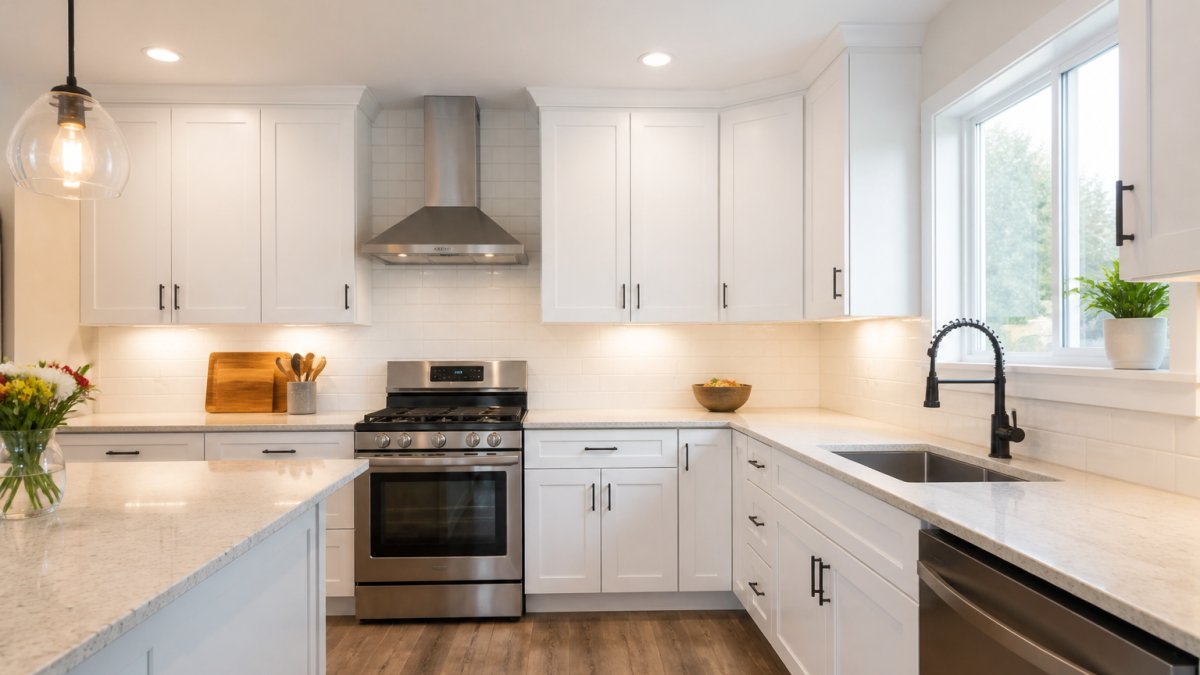 Modern kitchen with freshly painted white cabinets showing clean finish and updated appearance, natural light streaming through windows, modern hardware visible
| Option | Starting Cost | Average Cost | Timeline | Best For |
|---|---|---|---|---|
| Cabinet Painting | $900 | $1,500-$5,000 | 2-4 weeks | Good condition cabinets, budget-conscious |
| Cabinet Replacement | $3,200 | $8,000-$20,000 | 4-8 weeks | Damaged cabinets, major kitchen remodel |
| Cabinet Refacing | $1,500 | $4,000-$9,000 | 3-5 weeks | Solid boxes, new doors/fronts desired |
Cost to Paint Kitchen Cabinets: Breakdown and Variables
Professional cabinet painting transforms your kitchen without the price tag of replacement. The cost covers labor, materials, surface preparation, and finishing work, but the final number depends on several factors.
Labor and Materials
Labor represents the bulk of your painting investment. A professional painter charges for their time, expertise, and the skilled application needed to achieve a durable finish. Materials include primer, paint, sealers, and hardware if you're upgrading knobs and pulls.
For an average kitchen, professional painting costs vary. Smaller kitchens cost less; larger or custom layouts cost more. The finish quality matters too, a basic semi-gloss costs less than a high-end lacquer or conversion varnish that resists wear and moisture better.
One detail homeowners often overlook: hardware replacement. New knobs and pulls can dramatically change how your kitchen looks and feels. It's an upgrade that makes painted cabinets feel intentional rather than patched.
Surface Preparation and Repairs
Here's where painting gets real: the work you don't see determines whether your cabinets look fresh in two years or five. Surface prep includes cleaning, sanding, filling gaps, and repairing damage. If your cabinet doors have veneer peeling or drawer fronts are warped, those need repair before paint goes on.
Damaged cabinet boxes, water stains, dents, or loose joints, may require reinforcement or replacement of individual components. A contractor who skips this step will deliver cabinets that look good initially but fail within months. Professional painters budget 30-40% of their time for prep work. It's unglamorous but non-negotiable.
If your cabinets have significant damage, painting becomes less cost-effective. A cabinet with structural issues isn't a candidate for a fresh coat, it's a candidate for replacement.
Cost to Replace Kitchen Cabinets: What's Included
Replacement means new cabinet boxes, doors, and hardware. It's a larger investment but solves problems painting cannot: structural damage, outdated layout, or a kitchen that needs a complete visual overhaul.
Cabinet Boxes, Doors, and Hardware
New cabinetry includes the cabinet structure itself, doors, drawer fronts, and hinges. Stock cabinets (pre-made, standard sizes) are generally more affordable. Semi-custom options (made to your specs but from standard components) offer a middle ground. Full custom cabinetry (built specifically for your kitchen) is the most significant investment.
Material choices drive cost. Plywood boxes with veneer doors cost less than solid wood. Soft-close hinges and full-extension drawers add to the cost. Island cabinetry or specialized storage (spice racks, wine fridges, pull-out shelves) increases the total.
Hardware, including knobs, pulls, hinges, and drawer slides, varies in cost depending on style and quality. Premium hardware costs more but lasts longer and feels better in your hand.
Installation and Removal
Installation labor varies for an average kitchen. This includes removing old cabinets, disposing of debris, installing new boxes, hanging doors, and adjusting everything to sit level and square. Removal alone can add to the cost if your old cabinets are heavily built-in or require careful handling.
If your kitchen layout is changing, moving a window, relocating the sink, or reconfiguring the pantry, installation costs climb. Structural work, plumbing moves, or electrical adjustments add to the cost.
The installation timeline matters. Most kitchens take 4-8 weeks from order to completion. During this period, your kitchen is partially or fully inaccessible. For families who cook daily, this disruption is significant.
Cabinet Refacing Cost: A Middle-Ground Option
Refacing keeps your existing cabinet boxes and replaces only the doors, drawer fronts, and hardware. It's less expensive than full replacement but more involved than painting.
Refacing costs vary for an average kitchen. You're paying for new doors and fronts (which can be custom-built to your specifications), installation labor, and new hardware. The existing cabinet structure stays in place, which saves demolition and structural work.
Refacing makes sense if your cabinet boxes are structurally sound but the doors are outdated or damaged. You get a completely new look, different color, style, even material, without replacing the bones of your cabinetry.
The trade-off: you're committed to the existing cabinet layout. If you want to relocate the refrigerator, add an island, or reconfigure storage, refacing won't solve that. For those changes, replacement is necessary.
How Long Does Cabinet Painting Take vs Replacement Timeline
Timeline affects your decision as much as cost. Painting is faster; replacement is more thorough.
Cabinet painting typically takes 2-4 weeks from start to finish. The first week involves prep work: cleaning, sanding, filling, and repairs. Weeks 2-3 are primer and paint application. Week 4 includes final touches, hardware installation, and inspection.
Cabinet replacement takes 4-8 weeks. The first 1-2 weeks are ordering and delivery. Installation typically spans 3-5 days to a week, during which your kitchen is largely unusable.
Refacing falls between the two: 3-5 weeks total, with 3-5 days of active installation.
For homeowners who need their kitchen functional quickly, painting is the clear winner. For those planning a major remodel or dealing with significant cabinet damage, the extra time for replacement is worth it.
Factors That Affect Your Final Project Cost
Your actual cost depends on specifics unique to your kitchen. These variables shift the price significantly.
Kitchen Size and Cabinet Configuration
A small galley kitchen with 12 linear feet of cabinets costs less than a large kitchen with an island and 40+ linear feet. An L-shaped kitchen costs less than a U-shaped one with more perimeter.
Ceiling height matters too. Cabinets that extend to a 10-foot ceiling cost more to paint or replace than cabinets stopping at 8 feet. The labor scales with the amount of cabinetry you have.
Island cabinetry adds cost because it's more visible and often requires more detail work. Open shelving is cheaper to paint than closed cabinetry but harder to maintain long-term.
Cabinet Condition and Material Compatibility
Solid wood cabinets are easier and cheaper to paint than veneer. Veneer can blister or peel if moisture gets underneath, requiring replacement of the veneer layer before painting. Laminate cabinets are harder to paint successfully, the finish doesn't adhere as reliably.
Water damage, deep stains, or structural issues make painting less viable. A cabinet door that's warped or a box with loose joints needs repair or replacement, not paint. If more than 20% of your cabinetry has damage, replacement becomes cost-competitive with high-end painting.
Cabinet age also affects the decision. Cabinets over 30 years old may have outdated construction (particle board instead of plywood) that won't hold paint well or support new hardware. Newer cabinets (10-20 years old) are better candidates for painting if they're in decent condition.
Design Choices and Customization
A simple color change costs less than a complete design overhaul. Painting cabinets white or gray is straightforward; custom colors or finishes (matte, metallic, two-tone) cost more because they require specialty paints or extra labor.
New hardware, open shelving conversions, or adding glass doors increases cost. These upgrades are cheaper to implement during painting than replacement, but they still add labor and materials.
If you're replacing cabinets, the choice between stock, semi-custom, and full custom drives the price dramatically. Stock cabinets are fast and affordable; custom cabinets let you design exactly what you want but cost significantly more and take longer to produce.
Long-Term Value: Durability, Maintenance, and ROI
Painting is cheaper upfront. Replacement lasts longer. The real question is which delivers better value over time.
A professionally painted kitchen typically looks fresh for several years. High-traffic areas (around the stove or sink) may show wear sooner.
New cabinets last 15-20 years or longer if well-maintained. They're more durable to daily wear, moisture, and use. Hardware doesn't loosen as easily; finishes don't chip or peel.
The maintenance difference matters. Painted cabinets need regular cleaning to prevent buildup and wear. They're sensitive to moisture, a leaky sink or splash of water can damage the finish.
For resale value, new cabinets typically add more to your home's appeal than painted ones.
If you plan to stay in your home 10+ years and want a kitchen that requires minimal maintenance, replacement delivers better long-term value despite the higher upfront cost.
Painting vs Replacement: Which Option Wins for Your Kitchen
Understanding cabinet painting vs replacement cost helps you make the best choice for your specific situation. Here's how to decide.
Choose Painting If
Your cabinets are structurally sound and in decent condition. No water damage, warping, or loose joints. The layout works for you, you don't need to move appliances or reconfigure storage. You want to refresh your kitchen's look without major disruption. You're on a budget and need results in weeks, not months. You plan to stay in your home 5-7 years and want a cost-effective update.
Painting is also the right choice if you're testing a new kitchen direction. A fresh color helps you visualize changes before committing to a full remodel.
Choose Replacement If
Your cabinets show significant damage: water stains, warping, loose joints, or structural issues. Painting won't solve these problems, they'll resurface within months. You want to change your kitchen layout: relocate the sink, add an island, or reconfigure storage. Replacement gives you that flexibility. You're planning a major kitchen remodel and want everything cohesive and new. You plan to stay in your home 15+ years and want cabinetry that lasts.
Replacement also makes sense if your cabinets are very old (30+ years) or built from particle board. These don't hold paint well and aren't worth the investment.
The choice between painting and replacing your kitchen cabinets ultimately depends on your cabinet's condition, your timeline, and your long-term plans. At SmithFamilyPaintingandProjects, we assess each kitchen individually and recommend the approach that delivers the best value for your specific situation.
Frequently Asked Questions
Is it cheaper to paint or replace kitchen cabinets?
Painting is typically the more affordable option upfront. Professional cabinet painting generally costs significantly less than full replacement, making it an attractive choice for homeowners on a tighter budget. However, replacement offers new materials with longer lifespan warranties. Your choice depends on your cabinet condition, timeline, and long-term plans for the kitchen.
How much does it cost to paint kitchen cabinets professionally?
Professional cabinet painting costs vary based on kitchen size, cabinet condition, and the complexity of your design. Factors like surface preparation, the number of coats, and hardware changes all influence the final price. For an accurate estimate tailored to your specific project, contact a licensed contractor who can assess your cabinets in person and provide a detailed quote.
How long does cabinet painting take compared to replacement?
Cabinet painting typically takes less time for professional completion, including surface preparation, priming, painting, and drying time. Full cabinet replacement generally requires more time, depending on custom orders, installation complexity, and kitchen size. Painting offers a faster turnaround if you need your kitchen functional quickly.
Is cabinet refacing cheaper than replacing cabinets?
Cabinet refacing falls between painting and full replacement in cost. It involves replacing cabinet doors and drawer fronts while keeping the existing boxes, offering a refresh with more design options than painting alone. Refacing typically costs less than replacement but more than painting, making it a middle-ground option for homeowners wanting significant visual change without full replacement.
When should I replace cabinets instead of painting them?
Replace cabinets if they are structurally damaged, water-damaged, or the boxes are warped or deteriorating. If your cabinet style is outdated and you want a completely different aesthetic, or if you're planning to stay in your home long-term and want maximum durability, replacement is the better investment. Painting works best for cabinets in good structural condition that just need a color or finish update.
Frequently asked questions
Is it cheaper to paint or replace kitchen cabinets?
Painting is typically the more affordable option upfront. Professional cabinet painting generally costs significantly less than full replacement, making it an attractive choice for homeowners on a tighter budget. However, replacement offers new materials with longer lifespan warranties. Your choice depends on your cabinet condition, timeline, and long-term plans for the kitchen.
How much does it cost to paint kitchen cabinets professionally?
Professional cabinet painting costs vary based on kitchen size, cabinet condition, and the complexity of your design. Factors like surface preparation, the number of coats, and hardware changes all influence the final price. For an accurate estimate tailored to your specific project, contact a licensed contractor who can assess your cabinets in person and provide a detailed quote.
How long does cabinet painting take compared to replacement?
Cabinet painting typically takes less time for professional completion, including surface preparation, priming, painting, and drying time. Full cabinet replacement generally requires more time, depending on custom orders, installation complexity, and kitchen size. Painting offers a faster turnaround if you need your kitchen functional quickly.
Is cabinet refacing cheaper than replacing cabinets?
Cabinet refacing falls between painting and full replacement in cost. It involves replacing cabinet doors and drawer fronts while keeping the existing boxes, offering a refresh with more design options than painting alone. Refacing typically costs less than replacement but more than painting, making it a middle-ground option for homeowners wanting significant visual change without full replacement.
When should I replace cabinets instead of painting them?
Replace cabinets if they are structurally damaged, water-damaged, or the boxes are warped or deteriorating. If your cabinet style is outdated and you want a completely different aesthetic, or if you're planning to stay in your home long-term and want maximum durability, replacement is the better investment. Painting works best for cabinets in good structural condition that just need a color or finish update.