Is a Bathroom Gut Renovation Worth It? 2026 Guide
blog · October 15, 2026 · Editorial Team
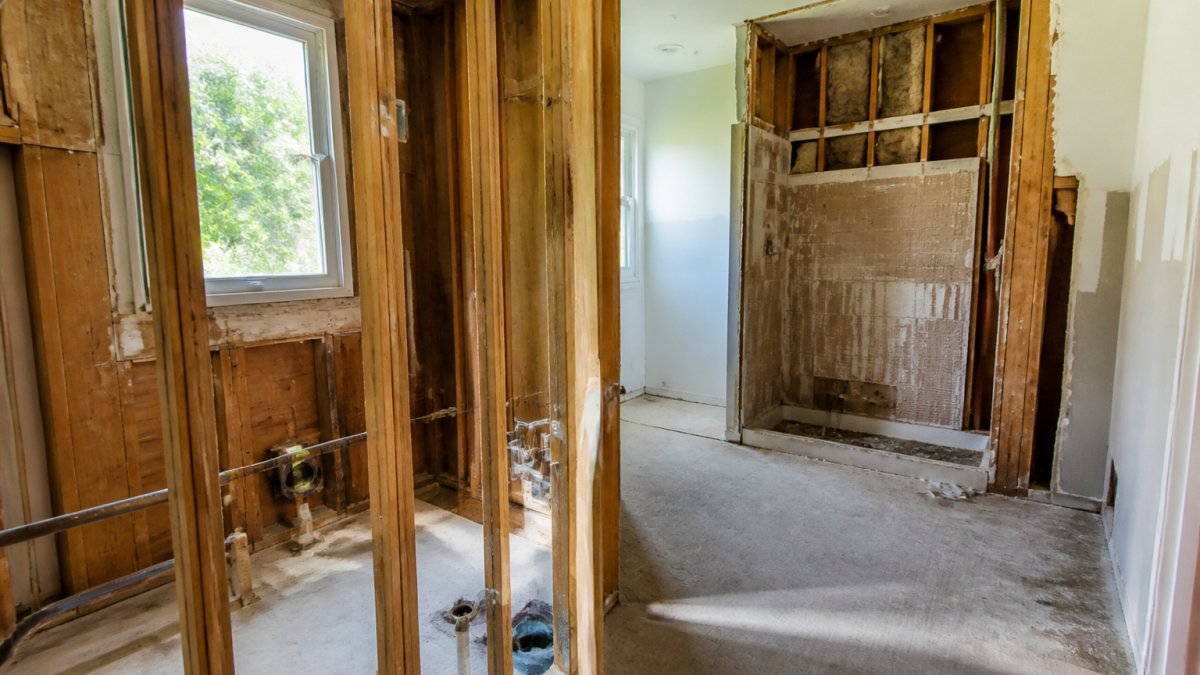
Table of Contents
- Is a Bathroom Gut Renovation Worth It? The Honest Answer
- Signs a Bathroom Needs a Gut Renovation
- What a Full Bathroom Gut Renovation Cost Looks Like
- Bathroom Remodel Return on Investment: What You Actually Recoup
- Bathroom Renovation Timeline: From Demolition to Final Walkthrough
- Cosmetic Refresh vs. Partial Remodel vs. Full Gut Renovation
- Frequently Asked Questions
Last Updated: October 14, 2026
Is a Bathroom Gut Renovation Worth It? The Honest Answer
A bathroom gut renovation is worth it when the room has hidden damage, failing systems, or a layout that no longer works for your household.
At SmithFamilyPaintingandProjects, we walk Southside Virginia homeowners through this exact decision every month. The answer almost always comes down to one question: are you fixing a problem or chasing a number?
Here is what most guides get wrong. They treat every bathroom project as an investment play. In reality, a gut renovation is a repair decision first and a value decision second.
Signs a Bathroom Needs a Gut Renovation
The clearest sign you need a gut renovation is damage you cannot see from the surface. Soft spots in the floor, recurring leaks, and musty smells usually mean the problem runs deeper than tile and paint.
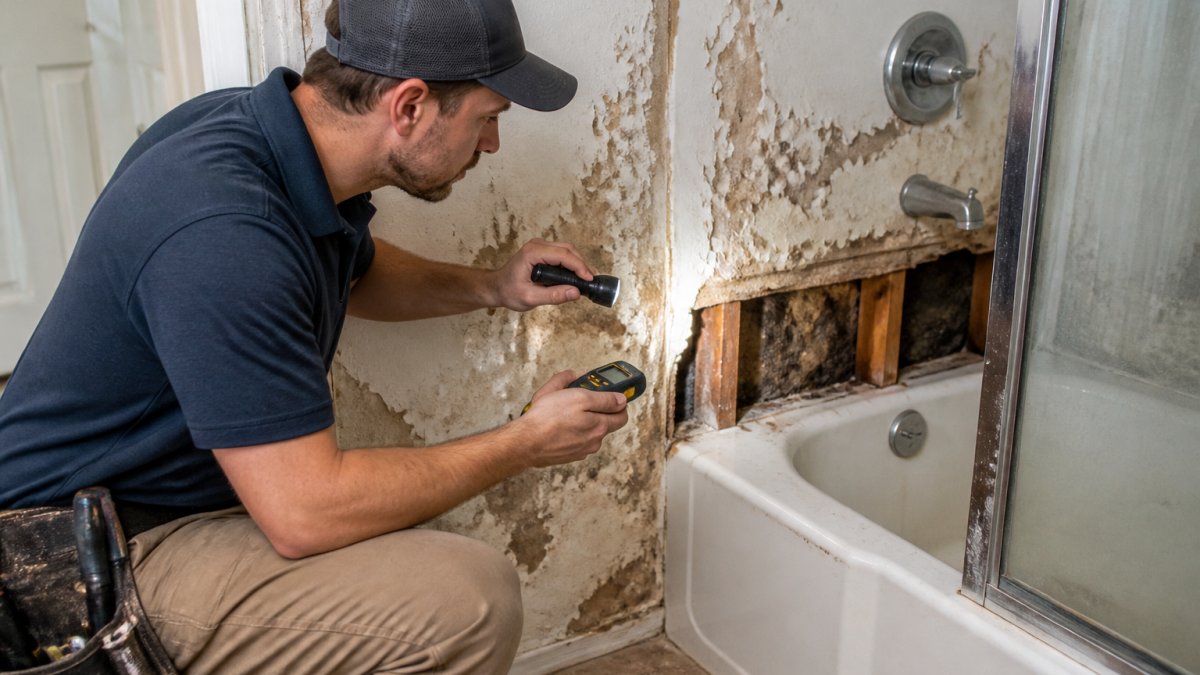 A contractor in work clothes examining water-damaged drywall and peeling paint around a bathroom shower, holding a flashlight and moisture meter, showing visible signs of hidden damage
Watch for these warning signs:
- Water stains on ceilings below the bathroom
- A floor that feels spongy or flexes underfoot
- Grout that crumbles or tiles that pop loose
- A fan that no longer clears steam
- Repeated clogs or slow drains
- A layout that blocks the door or wastes space
When Repairs Stop Being Enough
Small fixes work until the damage spreads. A single cracked tile is a repair. A cracked tile above a soft subfloor is a rebuild.
Here is the line most homeowners miss. If the same problem keeps coming back after two or three repairs, the cause is behind the wall. Patching it again just delays the real work.
Old plumbing and wiring add to the case. Galvanized pipes corrode from the inside. Outdated wiring may not handle a modern exhaust fan and GFCI outlets.
What a Full Bathroom Gut Renovation Cost Looks Like
A full bathroom gut renovation cost depends on size, materials, and how much hidden damage the demolition reveals. There is no single number, and any contractor who quotes one before opening the walls is guessing.
That said, you deserve a realistic range before you commit. Pricing depends on the size of the bathroom, the materials chosen, and the complexity of the work. Your written quote is the only number that matters.
Where the Money Goes: Line-Item Breakdown
Most of the budget lands in a handful of categories. Here is how a typical gut renovation splits out:
| Category | What It Covers | Typical Share of Budget | Planning Range |
|---|---|---|---|
| Demolition and disposal | Tear-out, hauling, dumpster fees | 5-10% | $1,500-$4,000 |
| Plumbing | Supply lines, drains, valve replacement, fixture rough-in | 15-20% | $3,500-$8,000 |
| Electrical | GFCI outlets, dedicated circuits, exhaust fan, lighting | 8-12% | $2,000-$5,000 |
| Waterproofing | Membrane, cement board, sealing, pan liner | 5-8% | $1,200-$3,000 |
| Tile and flooring | Materials, setting, grout, substrate prep | 15-20% | $3,500-$9,000 |
| Fixtures | Toilet, sink, tub or shower, faucets | 10-15% | $2,500-$7,000 |
| Drywall, paint, trim | Walls, ceiling, door, baseboard | 5-8% | $1,200-$3,500 |
| Labor and project management | Skilled trades, scheduling, supervision | 20-25% | $5,000-$12,000 |
| Permits and inspections | Local fees, plan review | 1-3% | $300-$1,500 |
Those shares shift with your choices. A freestanding soaking tub, a curbless shower with a linear drain, and large-format porcelain tile all push the number up. Keeping the existing layout, reusing a sound tub, and choosing a stock vanity pull it down.
The Contingency Fund Is Not Optional
Build in a contingency fund. Hidden damage behind walls is common, and a reserve of 10 to 20 percent of the project budget keeps you from stalling mid-job.
Here is why that matters. Demolition routinely reveals rotted subfloor around the toilet, a failing shower pan that has been leaking for years, or galvanized supply lines that crumble when touched. Each of those is a real repair, not a surprise you can negotiate away. A contingency fund turns a project-stopping discovery into a line item.
What Actually Drives the Price Up or Down
A few decisions move the total more than anything else:
- Layout changes. Moving the toilet or shower drain means cutting and rerouting the drain line, which adds plumbing labor and often a permit revision. Keeping the fixtures where they are is the single biggest cost saver.
- Tile size and pattern. Large-format tile covers more area per piece but demands a flatter substrate. A herringbone or mosaic pattern adds cutting labor.
- Fixture tier. A builder-grade toilet and vanity cost a fraction of a designer set. The finish and brand tier, not the function, drive the gap.
- Shower versus tub. A tiled walk-in shower with a custom pan costs more than a standard tub-and-surround, but it is also the upgrade buyers notice most.
- Ventilation and code upgrades. If the existing fan vents into the attic instead of outdoors, or the outlets lack GFCI protection, code requires fixing it during the gut. That is non-negotiable work, not an upgrade.
We recommend getting a written, itemized quote rather than a lump sum. An itemized quote lets you see which line items you can trim and which ones are fixed by code. For current pricing on your project, reach out to SmithFamilyPaintingandProjects for a quote.
Bathroom Remodel Return on Investment: What You Actually Recoup
A bathroom remodel return on investment is real but partial. You typically recoup a portion of your spend at resale, not the full amount. The rest of the value shows up as daily comfort and faster sales.
Industry cost-versus-value studies consistently put the recouped share of a bathroom remodel in a portion of the project cost at resale. Treat those as directional benchmarks, not promises.
Here is the part most guides bury. The recoup percentage applies to the project cost, not to your home's value.
The Two Goals Do Not Point the Same Direction
Separate the two goals before you pick finishes:
- Resale value: You recover part of the cost, not all of it. Neutral, durable, broadly appealing choices recoup best.
- Personal value: You get a bathroom that works every day for years. This is where bold tile, heated floors, and a spa shower earn their keep.
If you plan to stay put for five years or more, personal value should drive your choices. The daily use compounds, and the resale hit is small relative to the years of benefit. If you plan to sell within two years, keep finishes neutral and skip the luxury upgrades that rarely pay back.
What Buyers Actually Pay For
Buyer appeal is not about the most expensive bathroom on the block. It is about removing reasons to negotiate down. A clean, functional, updated bathroom helps a home sell faster. A dated or damaged one gives buyers a reason to walk away or ask for a credit.
The features that move the needle most at resale are the unglamorous ones:
- A working exhaust fan that vents outdoors. Buyers and inspectors notice moisture problems.
- No visible water damage or soft spots. A gut renovation that fixes the cause is worth more than a cosmetic cover-up.
- Updated plumbing and electrical. Old galvanized pipes and ungrounded outlets are red flags in an inspection report.
- A layout that works. A door that clears the vanity and a shower you can step into without contorting matter more than tile pattern.
- Neutral, quality finishes. Mid-tone tile, a white or light vanity, and brushed nickel or chrome hardware age well and photograph well.
The Value-Engineering Trade-Off
When the budget is tight, spend on what is behind the wall and save on what is in front of it. Waterproofing, plumbing, and electrical are the expensive parts to redo later.
A common pattern is to gut the room, fix the systems, and install midrange tile and fixtures now, then upgrade the vanity and lighting later if the budget allows. That sequence protects the resale value without overcapitalizing on finishes the next owner may replace anyway.
Bathroom Renovation Timeline: From Demolition to Final Walkthrough
A bathroom renovation timeline for a full gut remodel usually runs several weeks, not days. The exact length depends on permits, material lead times, and what demolition uncovers.
Here is the typical sequence:
- Design and permits - Finalize the plan and pull required permits.
- Demolition - Remove tile, fixtures, and old materials.
- Rough-in - Update plumbing and electrical behind the walls.
- Inspections - Pass required inspections before closing walls.
- Waterproofing - Seal the shower and wet areas.
- Tile and flooring - Install tile and set the floor.
- Fixtures and finish - Set the toilet, sink, and hardware.
- Final walkthrough - Review the work and close out the job.
Plan for disruption. A gut remodel takes the bathroom out of service, so arrange a temporary setup. Many families use a second bathroom or a temporary plan during the work. Material delays can also stretch the schedule, so order fixtures early.
Cosmetic Refresh vs. Partial Remodel vs. Full Gut Renovation
Choosing between a refresh, a partial remodel, and a full gut renovation comes down to condition and goals.
| Option | Best For | Typical Scope | Disruption |
|---|---|---|---|
| Cosmetic refresh | Sound room, dated look | Paint, fixtures, hardware | Low |
| Partial remodel | One failing system | Vanity, flooring, or shower | Medium |
| Full gut renovation | Damage, old systems, bad layout | Full tear-out to studs | High |
A cosmetic refresh updates the look without touching the plumbing or layout. It is fast and low-cost, but it hides problems rather than fixing them.
A partial remodel targets one area, like a new vanity or a shower rebuild. It works when the rest of the room is sound.
A full gut remodel takes the room down to the studs and rebuilds it.
We tell homeowners to decide the scope only after an inspection. Opening one wall often reveals whether a refresh will hold or whether the room needs a full rebuild.
Choosing the right scope for a bathroom project is hard when you cannot see behind the walls. Guess wrong, and you either overspend on a room that only needed a refresh or waste money patching a problem that keeps returning. SmithFamilyPaintingandProjects is a licensed, bonded, and insured Class A contractor serving Southside Virginia, and we help homeowners get the scope right the first time.
Frequently Asked Questions
Do bathroom remodels increase home value?
A bathroom remodel can increase home value, but the amount depends on scope and neighborhood. A midrange remodel typically recoups a larger share of its cost at resale than an upscale gut renovation, because buyers in most price brackets expect a clean, functional bathroom rather than luxury finishes. A gut renovation still helps if the existing bathroom has water damage, mold, or outdated wiring that would fail a home inspection. The value comes from removing problems, not just adding shine.
How long does a full gut bathroom remodel take?
A full gut bathroom remodel usually takes four to eight weeks for a standard bathroom, though timelines stretch when hidden damage appears behind the walls. Demolition and rough-in plumbing take about a week, waterproofing and tile another two to three weeks, and fixtures and finishing the final stretch. Permit inspections and material lead times can add days. Homeowners should plan for a temporary bathroom setup during the entire window, not just the first week.
When is a bathroom gut renovation worth the cost?
A bathroom gut renovation is worth the cost when repairs alone will not fix the underlying problems. Water leaks, mold behind tile, failing plumbing, or wiring that does not meet current code all point to a gut renovation, because cosmetic updates would only cover the damage temporarily. If the bathroom is simply dated but structurally sound, a partial remodel or cosmetic refresh often delivers better value. The decision should follow the condition of what is behind the walls, not the style of the fixtures.
Is it better to gut a bathroom or remodel it in stages?
Staging a bathroom remodel can spread the cost over time, but it rarely saves money on a true gut renovation. Once walls are open, plumbing and electrical work is most efficient when done in one pass. Staging makes sense for cosmetic updates, like replacing a vanity or re-glazing a tub. If the bathroom has hidden damage or failing systems, a single gut renovation avoids paying twice for demolition and re-inspection. Homeowners should match the approach to the actual condition, not the budget alone.
Frequently asked questions
Do bathroom remodels increase home value?
A bathroom remodel can increase home value, but the amount depends on scope and neighborhood. A midrange remodel typically recoups a larger share of its cost at resale than an upscale gut renovation, because buyers in most price brackets expect a clean, functional bathroom rather than luxury finishes. A gut renovation still helps if the existing bathroom has water damage, mold, or outdated wiring that would fail a home inspection. The value comes from removing problems, not just adding shine.
How long does a full gut bathroom remodel take?
A full gut bathroom remodel usually takes four to eight weeks for a standard bathroom, though timelines stretch when hidden damage appears behind the walls. Demolition and rough-in plumbing take about a week, waterproofing and tile another two to three weeks, and fixtures and finishing the final stretch. Permit inspections and material lead times can add days. Homeowners should plan for a temporary bathroom setup during the entire window, not just the first week.
When is a bathroom gut renovation worth the cost?
A bathroom gut renovation is worth the cost when repairs alone will not fix the underlying problems. Water leaks, mold behind tile, failing plumbing, or wiring that does not meet current code all point to a gut renovation, because cosmetic updates would only cover the damage temporarily. If the bathroom is simply dated but structurally sound, a partial remodel or cosmetic refresh often delivers better value. The decision should follow the condition of what is behind the walls, not the style of the fixtures.
Is it better to gut a bathroom or remodel it in stages?
Staging a bathroom remodel can spread the cost over time, but it rarely saves money on a true gut renovation. Once walls are open, plumbing and electrical work is most efficient when done in one pass. Staging makes sense for cosmetic updates, like replacing a vanity or re-glazing a tub. If the bathroom has hidden damage or failing systems, a single gut renovation avoids paying twice for demolition and re-inspection. Homeowners should match the approach to the actual condition, not the budget alone.