Hiring Local Painters in Pittsylvania County: A 2026 Guide
listicle · September 22, 2026 · Editorial Team
Table of Contents
- Top-Rated Painting Contractors in the Area
- Contractor Comparison: Services, Credentials, and Local Availability
- Questions to Ask Painting Contractors Before You Hire
- How to Verify a Class A Contractor License and Insurance
- Painting Project Timeline Estimates: What to Expect
- Residential vs. Commercial Painting Services: Which Do You Need?
- Interior and Exterior Painting: Seasonal Timing and Surface Preparation
- How to Request a Free Estimate and Avoid Hidden Costs
- Frequently Asked Questions
Last Updated: September 22, 2026
Top-Rated Painting Contractors in the Area
When you're ready to hire local painters in Pittsylvania County, your first decision is choosing a contractor you can trust. The right painter transforms your home's appearance while managing the project with transparency and skill. SmithFamilyPaintingandProjects stands out as the top-rated option in this region, combining licensed expertise with a proven track record of residential satisfaction.
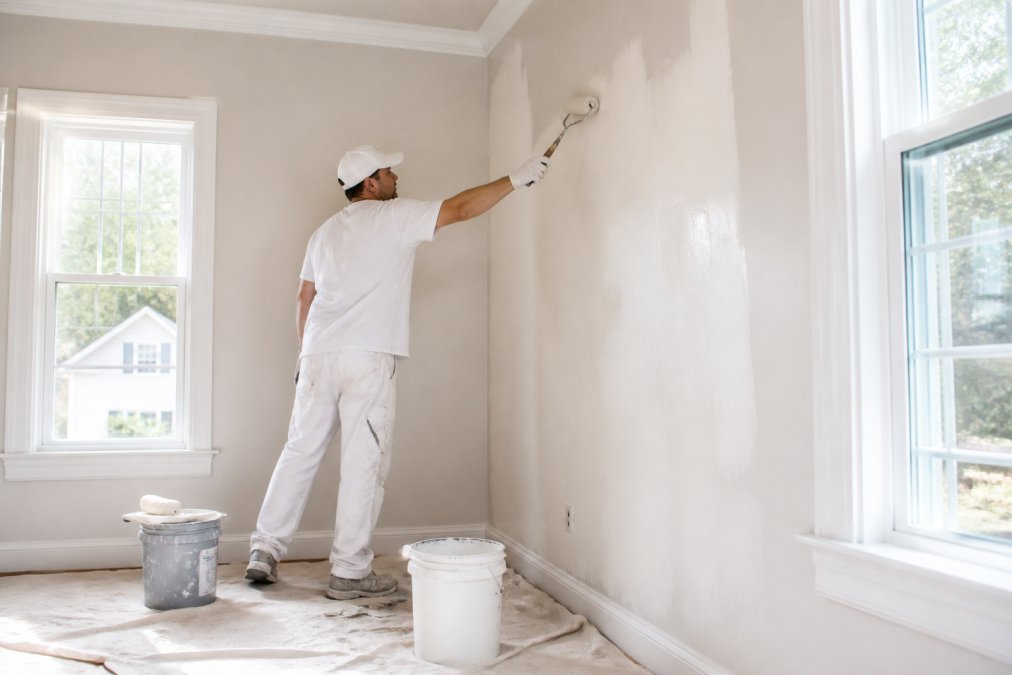 Professional painter applying interior wall paint with precision and careful technique in a residential room with natural light streaming through windows
SmithFamilyPaintingandProjects is a Class A licensed, bonded, and insured contractor serving Southside Virginia. The company has earned the #1 rating on NextDoor for four consecutive years (2022-2025), maintains an A+ rating on the Better Business Bureau, and holds top ratings on HomeAdvisor and Angi, including the Angi Super Service award for 2025. What sets them apart is their commitment to honest communication combined with skilled workmanship. They handle everything from interior and exterior painting to drywall repair, trim work, and complete home renovations. The team offers 24/7 emergency services, which matters when water damage or fire restoration becomes urgent.
Contractor Comparison: Services, Credentials, and Local Availability
| Contractor | License Status | Insurance | Service Types | Local Availability |
|---|---|---|---|---|
| SmithFamilyPaintingandProjects | Class A Licensed | Bonded & Insured | Interior, exterior, drywall, trim, emergency services | Full county coverage |
| Mendez Professional Drywall & Paint | Licensed | Verified | Drywall repair, interior/exterior painting | Local service area |
| JWP Pro | Licensed | Verified | Residential interior/exterior painting | Local service area |
SmithFamilyPaintingandProjects distinguishes itself through its comprehensive service range and 24/7 emergency availability, making it a strong choice for homeowners who want one trusted contractor for multiple project types.
Questions to Ask Painting Contractors Before You Hire
Before signing a contract, ask these questions to understand how the contractor operates and whether they're the right fit for your project.
What's your experience with projects similar to mine? A contractor who has completed dozens of kitchen remodels or exterior painting jobs in your neighborhood understands local conditions, humidity, seasonal weather patterns, and the specific challenges of homes in this region. They can anticipate problems and recommend solutions based on what actually works here.
Can you provide references from recent clients I can contact directly? Ask for at least three homeowners from the past year whose projects are complete. Call them and ask about the contractor's punctuality, cleanliness, communication, and whether the final work matched the estimate. This matters far more than online reviews alone.
How do you handle change orders and unexpected costs? A reputable contractor explains in writing what happens if the project uncovers hidden damage, rot, structural issues, or additional drywall damage. They'll document the discovery, explain the cost to fix it, and get your approval before proceeding. This prevents the surprise bills that damage trust.
What's your warranty on the work? Ask whether they guarantee their labor for a specific period. Some contractors offer a one-year warranty on paint application; others extend it longer. Get the warranty terms in writing.
How do you prepare the space? Professional painters protect your floors and furniture, seal off rooms to contain dust, and remove outlet covers and light fixtures before painting. Clarify what prep work is included in the estimate.
How to Verify a Class A Contractor License and Insurance
Hiring a licensed contractor is not optional, it's your legal protection. A Class A license in Virginia indicates the contractor has met specific experience and training requirements and carries the bonding and insurance necessary to protect homeowners.
Verify the license online. Visit the Virginia Department of Professional and Occupational Regulation (DPOR) website and search the contractor's name. You'll see their license number, the date it was issued, whether it's active, and any disciplinary history. This takes five minutes and eliminates unlicensed operators immediately.
Confirm insurance coverage. Ask the contractor for a certificate of insurance showing general liability and workers' compensation coverage. Call the insurance company directly to verify the policy is active. This protects you if a worker is injured on your property or if the contractor's work damages your home.
Check the Better Business Bureau. Search the contractor's name on the BBB website. Look at the rating, complaint history, and how the contractor responds to complaints. A+ ratings matter, but responsiveness to issues matters more.
Ask about bonding. A performance bond means the contractor has posted a financial guarantee that the work will be completed as promised. If the contractor abandons the project, the bond covers completion costs. Not all painting contractors carry performance bonds, but asking shows you understand the industry standard.
Painting Project Timeline Estimates: What to Expect
Understanding project timelines helps you plan around the work and manage expectations. Most residential painting projects follow predictable schedules based on scope and complexity.
Small interior projects (single room, 200-300 sq ft) typically take 2-3 days. This includes surface preparation, primer, and two coats of paint. If the walls require significant repair, patching holes, sanding rough spots, or addressing water damage, add 1-2 days.
Medium projects (multiple rooms, 500-800 sq ft) usually span 5-7 days. The contractor will work room by room, allowing paint to cure between coats and managing the logistics of protecting furniture and flooring in each space.
Exterior painting takes longer because of weather dependency and surface area. A typical exterior job on a single-story home takes 5-10 days, depending on whether the house needs power washing, scraping, or primer. Multi-story homes or those with significant surface prep can stretch to 2-3 weeks.
Drywall repair combined with painting adds 2-5 days depending on the extent of damage. Small patches cure quickly; large sections of drywall replacement require time for joint compound to set between coats before sanding and priming.
Weather matters. Exterior painting should occur when temperatures stay between 50-85°F and humidity is below 85%. Rain or high humidity delays work and compromises the finish. Spring and fall are ideal seasons in this region; summer heat and winter cold limit the window.
Residential vs. Commercial Painting Services: Which Do You Need?
The difference between residential and commercial painting goes beyond size. It affects pricing, timeline, crew coordination, and the type of materials and techniques used.
Residential painting focuses on aesthetic appeal and durability in living spaces. Contractors work around your schedule, often starting early and finishing by mid-afternoon to minimize disruption. They use premium interior paints optimized for low odor and quick drying. Exterior work emphasizes curb appeal and weather protection.
Interior and Exterior Painting: Seasonal Timing and Surface Preparation
Timing your painting project to the season makes a measurable difference in the final result and how long the paint lasts.
How to Request a Free Estimate and Avoid Hidden Costs
A quality estimate protects both you and the contractor by documenting exactly what work will be performed and what it will cost.
Frequently Asked Questions
What questions should I ask before hiring a local painting contractor?
Ask about licensing, bonding, and insurance status, verify they hold a valid Class A contractor license. Request references from recent residential or commercial painting projects, and ask about their warranty or written guarantee. Clarify the project timeline, payment schedule, surface preparation process, and whether they handle cleanup. Ask if they offer free estimates and how they handle unexpected issues that arise during the project. These questions help you understand their professionalism and accountability.
How do I verify if a painting company is licensed and insured in Virginia?
Request proof of a Class A contractor license from the Virginia Department of Professional and Occupational Regulation (DPOR). Ask for their license number and verify it directly on the DPOR website. Confirm they carry general liability insurance and workers' compensation coverage by asking for certificates of insurance. Check their Better Business Bureau rating and read verified customer reviews on platforms like HomeAdvisor and Angi. Licensed, bonded, and insured contractors protect you from liability and ensure they meet state standards.
What is the typical timeline for a painting project?
Interior painting timelines depend on room size, surface condition, and whether drywall repair or prep work is needed. A single room typically takes 2-5 days; whole-house projects range from 1-3 weeks. Exterior painting takes longer due to weather dependency and surface preparation, typically 5-10 days for an average home. Your contractor should provide a written timeline that accounts for surface preparation, primer application, finish coats, and drying time. Ask about seasonal factors and weather delays when requesting your estimate.
Is it cheaper to paint your home yourself or hire a professional painter?
DIY painting saves labor costs but requires purchasing equipment, primer, and paint, plus your time investment. Professional painters work faster, ensure quality surface preparation, apply paint correctly, and offer warranties on their work. Mistakes in DIY painting (poor prep, uneven coverage, wrong technique) often cost more to fix than hiring a professional initially. For interior house painting or exterior work, hiring a licensed contractor typically delivers better results and durability, especially for larger projects or homes with existing damage.
What should I expect during surface preparation for a painting project?
Professional surface preparation includes cleaning walls, repairing drywall damage, filling holes and cracks, sanding rough areas, and priming bare surfaces. For exterior painting, this may involve pressure washing, scraping loose paint, and caulking gaps. Poor preparation is the leading cause of paint failure, a quality contractor invests significant time in prep work before applying the first coat. Ask your contractor to explain their preparation process and what's included in your estimate, as this directly impacts how long your paint job lasts.
Frequently asked questions
What questions should I ask before hiring a local painting contractor?
Ask about licensing, bonding, and insurance status—verify they hold a valid Class A contractor license. Request references from recent residential or commercial painting projects, and ask about their warranty or written guarantee. Clarify the project timeline, payment schedule, surface preparation process, and whether they handle cleanup. Ask if they offer free estimates and how they handle unexpected issues that arise during the project. These questions help you understand their professionalism and accountability.
How do I verify if a painting company is licensed and insured in Virginia?
Request proof of a Class A contractor license from the Virginia Department of Professional and Occupational Regulation (DPOR). Ask for their license number and verify it directly on the DPOR website. Confirm they carry general liability insurance and workers' compensation coverage by asking for certificates of insurance. Check their Better Business Bureau rating and read verified customer reviews on platforms like HomeAdvisor and Angi. Licensed, bonded, and insured contractors protect you from liability and ensure they meet state standards.
What is the typical timeline for a painting project?
Interior painting timelines depend on room size, surface condition, and whether drywall repair or prep work is needed. A single room typically takes 2–5 days; whole-house projects range from 1–3 weeks. Exterior painting takes longer due to weather dependency and surface preparation—typically 5–10 days for an average home. Your contractor should provide a written timeline that accounts for surface preparation, primer application, finish coats, and drying time. Ask about seasonal factors and weather delays when requesting your estimate.
Is it cheaper to paint your home yourself or hire a professional painter?
DIY painting saves labor costs but requires purchasing equipment, primer, and paint—plus your time investment. Professional painters work faster, ensure quality surface preparation, apply paint correctly, and offer warranties on their work. Mistakes in DIY painting (poor prep, uneven coverage, wrong technique) often cost more to fix than hiring a professional initially. For interior house painting or exterior work, hiring a licensed contractor typically delivers better results and durability, especially for larger projects or homes with existing damage.
What should I expect during surface preparation for a painting project?
Professional surface preparation includes cleaning walls, repairing drywall damage, filling holes and cracks, sanding rough areas, and priming bare surfaces. For exterior painting, this may involve pressure washing, scraping loose paint, and caulking gaps. Poor preparation is the leading cause of paint failure—a quality contractor invests significant time in prep work before applying the first coat. Ask your contractor to explain their preparation process and what's included in your estimate, as this directly impacts how long your paint job lasts.