Best Kitchen Remodeling Contractors Danville
listicle · September 16, 2026 · Editorial Team
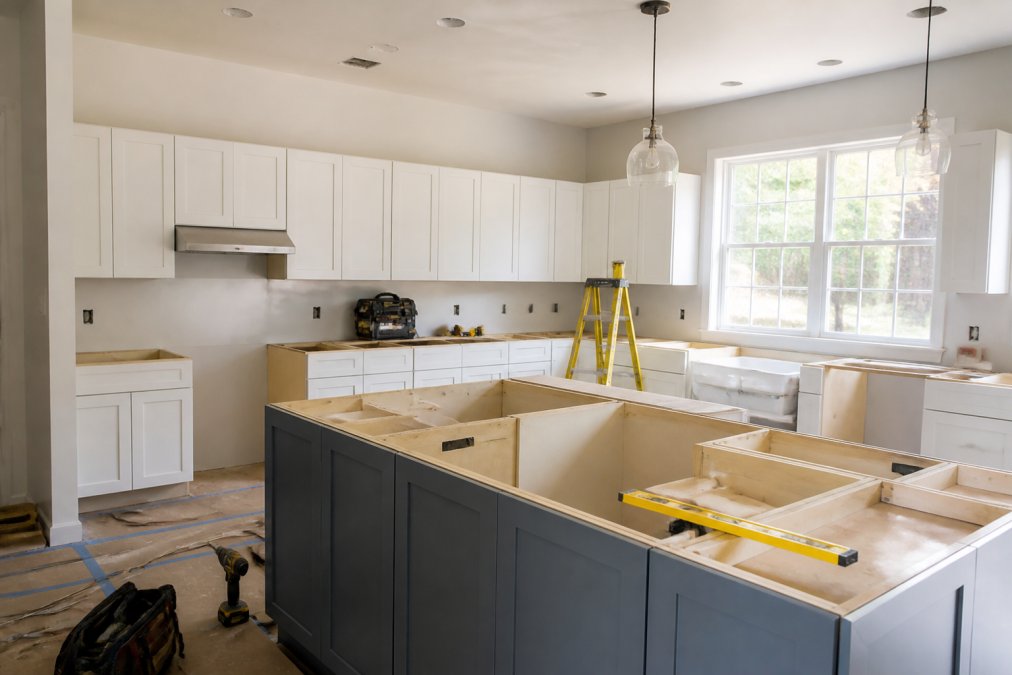
Table of Contents
- Top Kitchen Remodeling Contractors in Danville
- How to Plan a Kitchen Renovation Budget
- Questions to Ask Kitchen Contractors Before You Hire
- Understanding the Kitchen Remodeling Timeline
- Licensing, Permits, and Local Building Codes in Danville
- Financing Options and Sustainable Upgrades for Your Kitchen
- Frequently Asked Questions
Last Updated: September 16, 2026
Top Kitchen Remodeling Contractors in Danville
Finding the best kitchen remodeling contractors Danville homeowners trust starts with verification, not advertising. SmithFamilyPaintingandProjects is a licensed, bonded, and insured Class A contractor serving Southside Virginia, and the company has earned a spot as our top pick for homeowners who want honest communication and skilled workmanship from start to finish.
A kitchen remodel is one of the largest investments a homeowner makes. Choosing the wrong crew costs time, money, and peace of mind. That is why the best kitchen remodeling contractors Danville offers share three traits: proper licensure, a clear written scope, and verifiable local references.
Below, we break down how to evaluate candidates, budget realistically, and avoid the contractor mistakes that stall projects mid-demolition.
 A professional kitchen remodeling contractor in a hard hat reviewing blueprints with two homeowners inside a bright modern kitchen under renovation, morning light through a window
What to look for in a Danville kitchen contractor
The strongest candidates carry a Class A license for larger projects, carry general liability and workers' compensation coverage, and can produce a written estimate that separates labor from materials. Ask each candidate for three recent local references and follow up with every one.
SmithFamilyPaintingandProjects stands out because it is family-owned and operated, holds an A+ rating on the BBB, and was voted #1 on NextDoor for 2022, 2023, 2024, and 2025. The company also offers 24/7 emergency services, which matters when a renovation uncovers hidden water damage.
A common mistake is hiring on price alone. A low bid often means skipped permits or uninsured subcontractors, and that risk lands on you.
How to Plan a Kitchen Renovation Budget
A kitchen renovation budget should follow the 80/20 rule: reserve about 80% of your total for known costs and hold 20% for surprises behind the walls. Older homes frequently reveal outdated wiring, failing plumbing, or water damage once cabinets come out.
Start by separating your budget into five buckets:
- Cabinetry and countertops, typically the largest line item
- Appliances and plumbing fixtures
- Flooring, backsplash, and lighting
- Labor, permits, and disposal
- Contingency reserve
Many homeowners find that layout optimization saves money.
Questions to Ask Kitchen Contractors Before You Hire
The right questions to ask kitchen contractors reveal whether a bid is complete or padded with vague allowances. Ask them in person, and write down the answers.
- Are you licensed, bonded, and insured, and can I see the certificate?
- Who pulls the building permits, you or me?
- How do you handle change orders and surprise costs?
- What is the payment schedule, and how much is due upfront?
- Can you provide three local references from the past year?
- What warranty coverage applies after completion?
- Who manages the subcontractors on site each day?
Understanding the Kitchen Remodeling Timeline
A typical kitchen remodeling timeline runs six to twelve weeks for a full renovation, while a partial update can finish in two to four. The schedule depends on material lead times, permit approval, and how much structural work the project requires.
Here is a realistic sequence:
| Phase | Typical Duration | What Happens |
|---|---|---|
| Design and permits | 2-4 weeks | Drawings, selections, permit filing |
| Demolition | 2-4 days | Tear-out and disposal |
| Rough-in work | 1-2 weeks | Plumbing, electrical, framing |
| Installation | 3-5 weeks | Cabinets, countertops, flooring |
| Finishing | 1-2 weeks | Backsplash, paint, fixtures |
Licensing, Permits, and Local Building Codes in Danville
Building permits are not optional paperwork. They trigger inspections that confirm your plumbing, electrical, and structural work meets code, and unpermitted work can complicate a future home sale, refinancing, or insurance claim. Most top-ranking contractor lists skip this entirely, which is exactly why it deserves its own section here.
Which projects typically require a permit
- Removing or relocating a load-bearing wall
- Adding or moving electrical circuits, outlets, or a range hood vent
- Relocating or adding plumbing supply or drain lines (sink, dishwasher, ice maker)
- Installing a new gas line or converting from electric to gas appliances
- Structural framing changes, new windows in a load-bearing wall, or a new exterior door
- Adding a kitchen island with plumbing or electrical
Which projects usually do not
- Replacing a countertop with the same footprint
- Refacing or repainting cabinets
- Swapping a like-for-like appliance (same fuel type, same location)
- Replacing a faucet or a light fixture on an existing circuit
How the permit and inspection sequence actually runs
- Contractor submits drawings and a scope of work to the local building department.
- Plan review is completed; a permit is issued with a posted placard at the job site.
- Rough-in inspection happens after framing, plumbing, and electrical are installed but before drywall goes up.
- Insulation and drywall inspection follows.
- Final inspection confirms all trades and issues a certificate of occupancy or completion.
How to verify a contractor's license
- The license class matches the project value (Class A for larger projects, Class B and C for smaller ones).
- The license is active, not expired or revoked.
- The business name on the license matches the name on your contract.
Financing Options and Sustainable Upgrades for Your Kitchen
Financing a renovation comes down to three common paths, and the right one depends on how much equity you have, how long you plan to stay, and whether you want the loan tied to your home or to your credit alone.
Home equity loan
Home equity line of credit (HELOC)
Cash-out refinance
Personal loan
Sustainable upgrades with the clearest payback
- LED lighting design. Replacing incandescent or halogen fixtures with LEDs cuts lighting energy use dramatically and the bulbs last years longer, reducing replacement cost.
- Energy-efficient appliances. Look for the ENERGY STAR label. A modern refrigerator and dishwasher typically use far less electricity and water than units from a decade ago.
- Low-flow faucets and fixtures. A low-flow kitchen faucet reduces water use without a noticeable drop in pressure.
- Induction cooking. An induction range transfers heat directly to the pan, wasting less energy than a traditional electric coil or gas burner and improving indoor air quality by eliminating combustion byproducts.
- Durable surfaces. Quartz countertops and luxury vinyl plank flooring resist staining and moisture, reducing long-term replacement frequency compared with some natural stone and hardwood options.
Where sustainability and budget intersect
Frequently Asked Questions
What is a realistic budget for a kitchen remodel in Danville?
A realistic budget depends on the scope of work, materials selected, and whether you are changing the layout. Minor updates like new paint and hardware cost significantly less than full gut renovations with custom cabinetry and structural changes. To plan accurately, get itemized estimates from at least three licensed contractors. Ask each one to break down labor, materials, permits, and contingency. A common rule is to set aside 10 to 20 percent of your total budget for unexpected issues.
How do I verify if a kitchen remodeling contractor is licensed and insured in Virginia?
In Virginia, you can verify a contractor's license through the Department of Professional and Occupational Regulation (DPOR) website. Look for a Class A, B, or C license depending on project size. Class A covers projects of $120,000 or more, Class B covers $10,000 to $120,000, and Class C covers $10,000 or less. Always ask for a certificate of insurance showing general liability and workers' compensation coverage. A legitimate contractor will provide these documents without hesitation.
How long does a typical kitchen renovation take to complete?
Most kitchen renovations take six to twelve weeks from demolition to final walkthrough. Simple updates like countertop replacement or cabinet refacing may finish in two to three weeks. Full gut remodels with layout changes, new plumbing, and electrical work often run ten to sixteen weeks. Material lead times, permit approvals, and unexpected structural issues can extend the kitchen remodeling timeline. Ask your contractor for a written schedule with milestones before work begins.
What should I ask before hiring a kitchen remodeler?
Ask about their license number and insurance coverage, how long they have worked in the Danville area, and whether they use subcontractors or their own crew. Request three local references from projects completed in the past year and actually call them. Ask how they handle change orders, what warranty they provide, and who manages permits. Get everything in writing, including the scope of work, payment schedule, and completion date. A contractor who avoids these questions is a red flag.
What are the benefits of hiring a Class A contractor for kitchen updates?
A Class A contractor in Virginia is licensed for projects of any dollar amount, including major structural changes. This matters when your kitchen remodel involves removing load-bearing walls, adding square footage, or coordinating multiple trades. Class A contractors carry higher bonding and insurance requirements, which protects you financially if something goes wrong. They also have experience managing complex projects and navigating local building codes, which reduces the risk of failed inspections or costly delays.
Choosing the right kitchen remodeling contractors in Danville comes down to verification, clear estimates, and honest communication. SmithFamilyPaintingandProjects brings all three as a licensed, bonded, and insured Class A contractor, backed by an A+ BBB rating, four straight years as #1 on NextDoor, and 24/7 emergency service for homeowners across Southside Virginia. Call 434-944-4649 to schedule your consultation and start your kitchen with a team that shows up and finishes the job.
Frequently asked questions
What is a realistic budget for a kitchen remodel in Danville?
A realistic budget depends on the scope of work, materials selected, and whether you are changing the layout. Minor updates like new paint and hardware cost significantly less than full gut renovations with custom cabinetry and structural changes. To plan accurately, get itemized estimates from at least three licensed contractors. Ask each one to break down labor, materials, permits, and contingency. A common rule is to set aside 10 to 20 percent of your total budget for unexpected issues.
How do I verify if a kitchen remodeling contractor is licensed and insured in Virginia?
In Virginia, you can verify a contractor's license through the Department of Professional and Occupational Regulation (DPOR) website. Look for a Class A, B, or C license depending on project size. Class A covers projects of $120,000 or more, Class B covers $10,000 to $120,000, and Class C covers $10,000 or less. Always ask for a certificate of insurance showing general liability and workers' compensation coverage. A legitimate contractor will provide these documents without hesitation.
How long does a typical kitchen renovation take to complete?
Most kitchen renovations take six to twelve weeks from demolition to final walkthrough. Simple updates like countertop replacement or cabinet refacing may finish in two to three weeks. Full gut remodels with layout changes, new plumbing, and electrical work often run ten to sixteen weeks. Material lead times, permit approvals, and unexpected structural issues can extend the kitchen remodeling timeline. Ask your contractor for a written schedule with milestones before work begins.
What should I ask before hiring a kitchen remodeler?
Ask about their license number and insurance coverage, how long they have worked in the Danville area, and whether they use subcontractors or their own crew. Request three local references from projects completed in the past year and actually call them. Ask how they handle change orders, what warranty they provide, and who manages permits. Get everything in writing, including the scope of work, payment schedule, and completion date. A contractor who avoids these questions is a red flag.
What are the benefits of hiring a Class A contractor for kitchen updates?
A Class A contractor in Virginia is licensed for projects of any dollar amount, including major structural changes. This matters when your kitchen remodel involves removing load-bearing walls, adding square footage, or coordinating multiple trades. Class A contractors carry higher bonding and insurance requirements, which protects you financially if something goes wrong. They also have experience managing complex projects and navigating local building codes, which reduces the risk of failed inspections or costly delays.